Pipeline Surveillance Scandal Overshadows Book Launch as Key Figure’s Photos Omitted
- by Fejiro, Delta State, HSN
- about 8 months ago
- 839 views
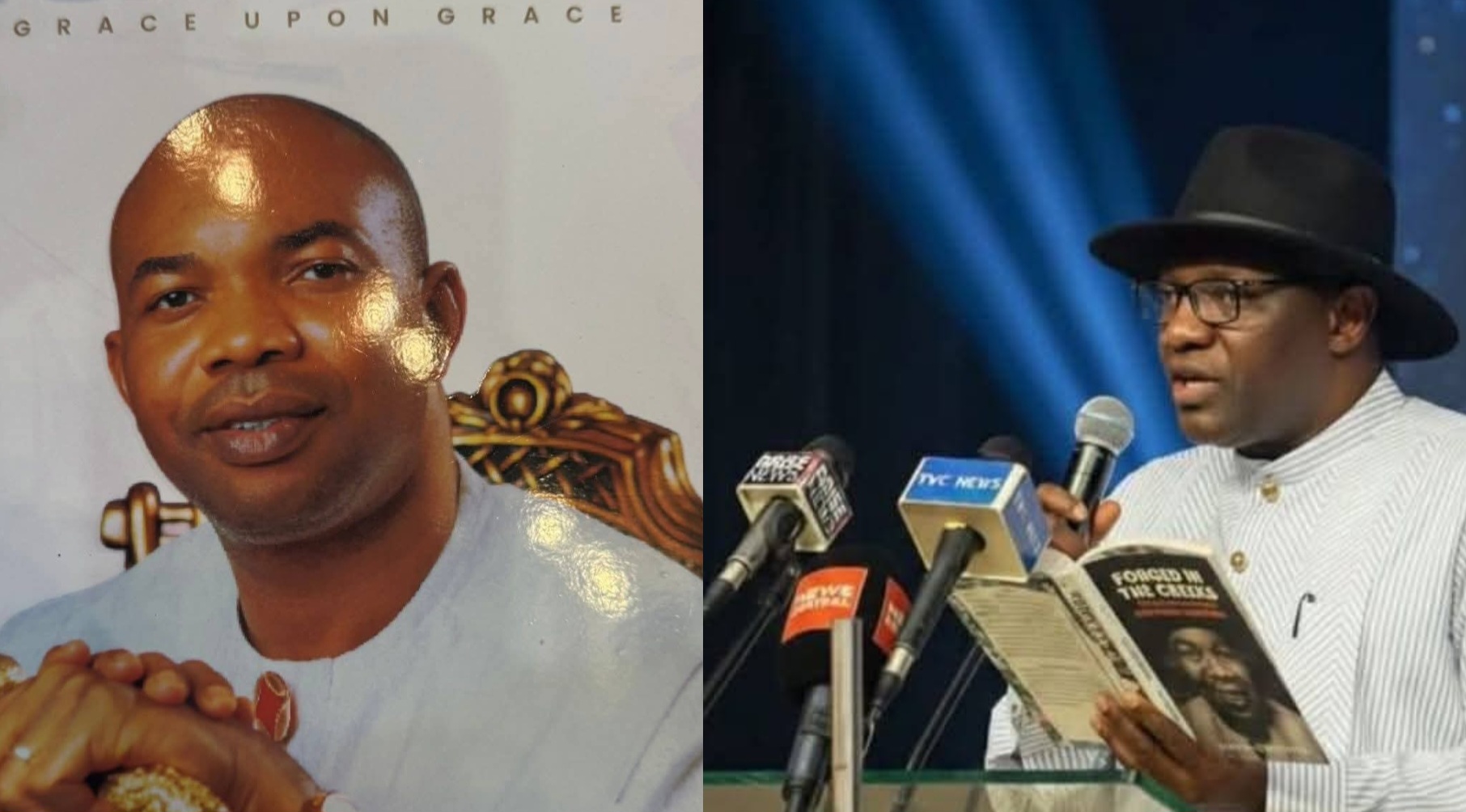
A high-profile birthday and book launch in Abuja on Sunday intended to celebrate author Matthew Tola became the stage for renewed controversy over pipeline surveillance contracts that critics say have diverted wealth away from Niger Delta communities.
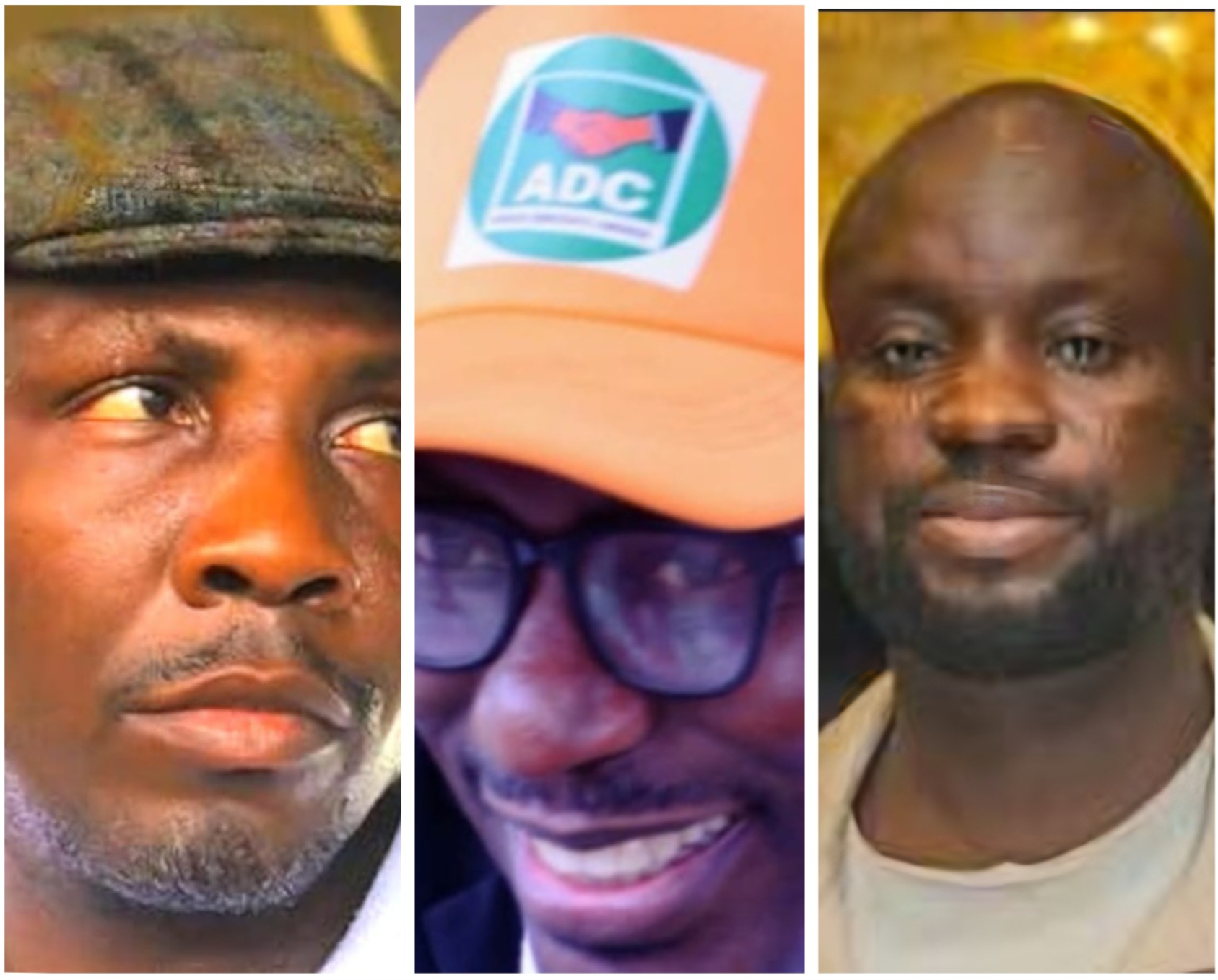
Attendees and online observers say the event — widely photographed and shared — revealed an unusual censorship: images of one prominent guest, identified by guests as Bala Wunti, were conspicuously absent from social media and press posts despite his participation and a widely praised speech. Sources at the event say organizers instructed photographers not to capture or post photos of the man, who until recently headed NAPIMS (now NUIMS).
The omission has fuelled fresh accusations that pipeline surveillance revenues — funds critics describe as generated under the guise of security contracting in oil-producing communities — are being siphoned to interests outside the Niger Delta. Attendees and local activists say considerable sums are paid to outfits such as Tantita and Maton Engineering, companies reportedly owned by indigenes of Gbaramatu, and allege that more than $700 million annually flows to these contractors.
“The money gotten from supposedly guarding the pipeline in your own communities spoke loudly in the capital territory,” one attendee told this newspaper, describing how Abuja’s development stands in stark contrast to the squalor still seen in many Niger Delta communities. That contrast, they say, has driven anger among local agitators and campaigners demanding reform.
Critics insist the surveillance contracts have been used to entrench patronage networks rather than deliver local benefits. They argue the program should be relocated to host communities, or placed entirely under the control of federal maritime forces such as the navy, to ensure accountability and local participation.
Questions of ethnicity and political influence also surfaced at the event. Wunti, described by sources as a northern politician who may be eyeing a gubernatorial run in Bauchi State, drew attention not only for his presence but for the deliberate suppression of his image. “Why are they hiding him?” asked one guest. “You already have the answers in your heart.”
Organizers of the book launch and representatives of the companies named — Tantita and Maton Engineering — did not immediately respond to requests for comment. Likewise, officials from NAPIMS/NUIMS and Mr. Wunti could not be reached for this report.
Local activists and community leaders told this newspaper they are not seeking to halt all revenue flows, but to secure equitable distribution and oversight. “We do not demand for much but equity in the surveillance ecosystem where no man is oppressed and cheated, where women are also given slots,” said one community spokesperson. “If everyone guards their home or benefit well from the wealth that is given to their land, development comes faster and unity is built, not a few men giving handouts as if it's a favour done.”
Calls for transparency are growing louder: if surveillance revenues cannot be fairly shared, some say, they should be suspended until a more accountable framework is established.
This episode at Matthew Tola’s celebration has highlighted broader grievances about resource management, ethnic imbalance, and political patronage tied to Nigeria’s oil economy — issues that remain unresolved as Niger Delta communities continue to press for tangible benefits and local control.







0 Comment(s)